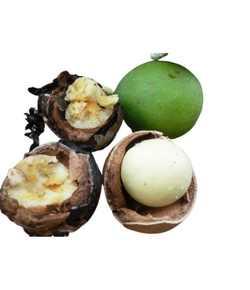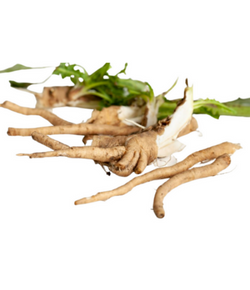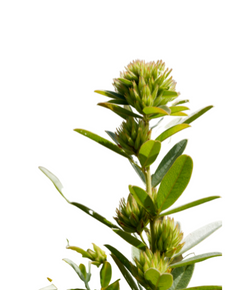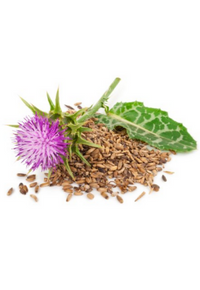
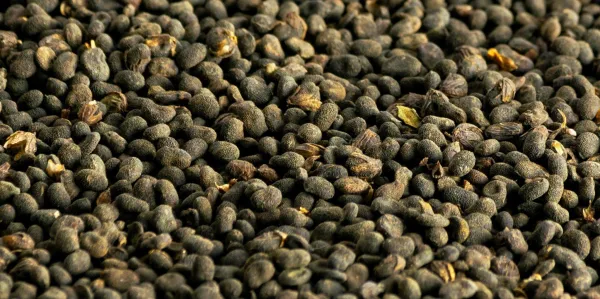
Bakuchiol is a plant derivative that is known to be a functional analog of Retinol except that it is much gentler and safer to skin giving comparable results to a retinol on photoaged skin. It is extracted from the plant, Psoralea corylifolia. Literature suggests that other plant species can also be a source of bakuchiol too. 1
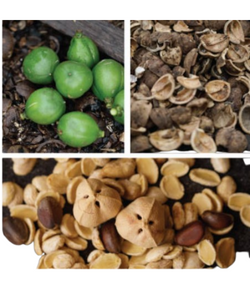
Psoralea corylifolia itself has been used in traditional Indian and Chinese medicine to treat skin ailments, alopecia, inflammation, leukoderma, leprosy, psoriasis, and eczema, as a healing agent of kidney, spleen, and many more. Psoralea corylifolia has many bioactive compounds which confer medicinal properties to it. Bakuchiol is extracted from the seeds of the plant. Bakuchiol itself is known to be antibacterial, antifungal, anti-acne, anti-aging, anti-oxidant, anti-diabetic, anti-cancer, as a treatment for postmenopausal symptoms, as an estrogen agonist, etc.1,2,3,4,5
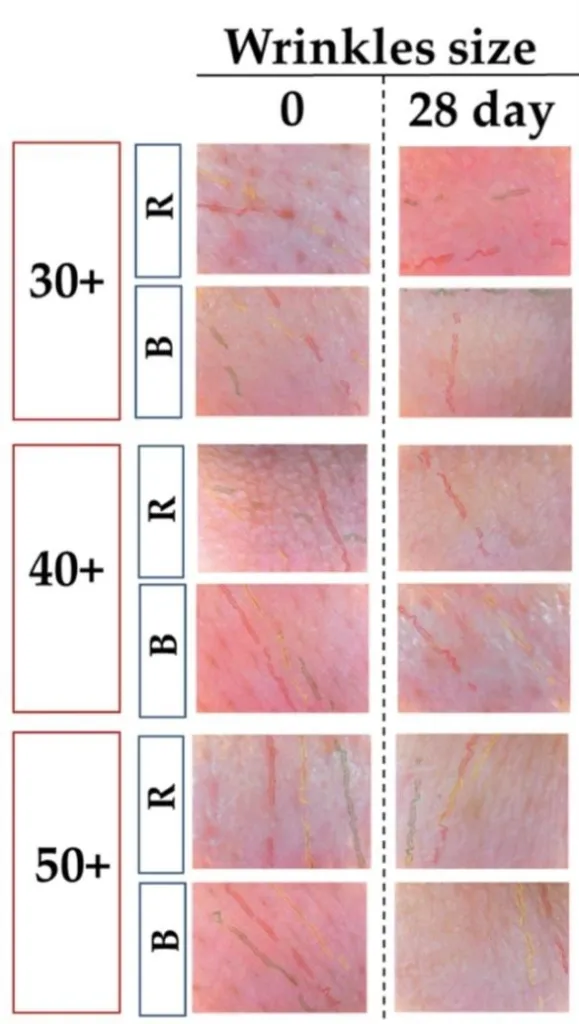
Bakuchiol is called as bio retinol and has demonstrated its efficacy as an anti-aging agent comparable to retinol. A clinical study done to compare the efficacy of Bakuchiol and Retinol showed that both Bakuchiol and Retinol both significantly decreased wrinkle surface area and hyperpigmentation, with no statistical difference between the compounds. The retinol users reported more facial skin scaling and stinging . The study demonstrated that Bakuchiol is comparable to Retinol in its ability to improve the skin texture damaged due to photoaging and is better tolerated than retinol. 6,7,8
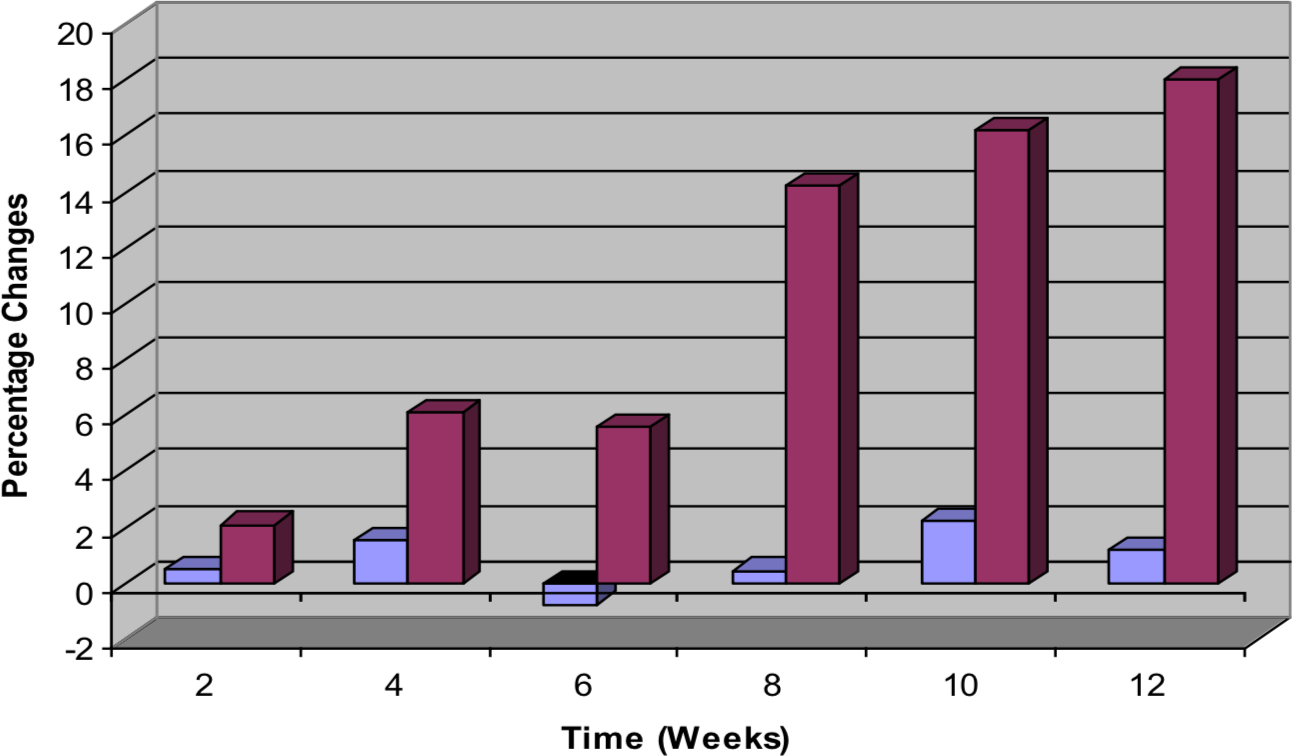
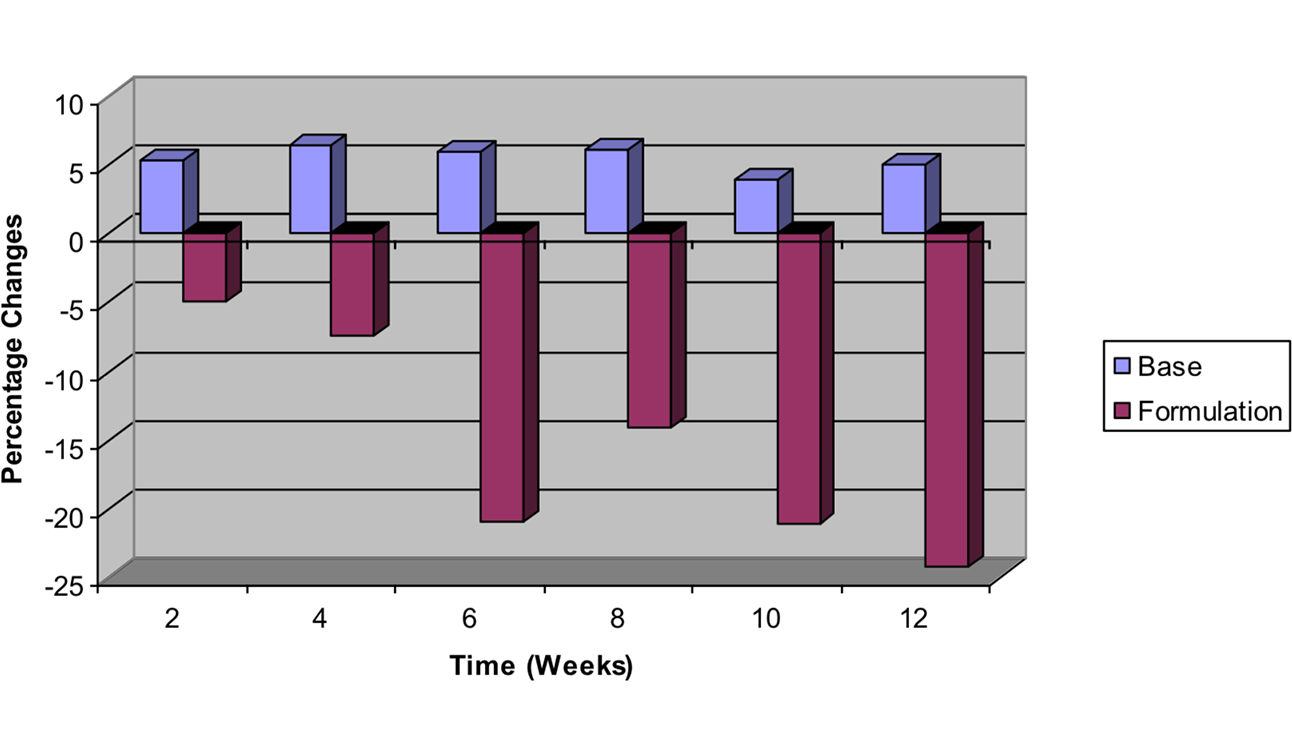
Another study group reported that Bakuchiol leads to the expression of the same set of genes as Retinol. Genes involved in the synthesis of collagen I and III were unregulated and synthesis of collagen IV was stimulated as well. Their results showed that, after 12 weeks of treatment, significant improvement in lines and wrinkles, pigmentation, elasticity, firmness, an overall reduction in photo-damage was observed, without usual retinol therapy-associated undesirable effects.9